
In a world where digital technology is ever-present, it's no surprise that education is being influenced by it. The intersection of gaming and education, often referred to as "gamification," is becoming a powerful force. But why is gaming gaining ground in the educational sector?
The Power of Gamification
Gamification is essentially the use of game design elements in non-gaming contexts to engage users and solve problems. In education, this means using the mechanics, dynamics, and aesthetics of games to make learning more fun and effective. It's about turning education into an immersive and interactive experience.
Overcoming Challenges for Students
Gaming in education has many benefits, but it also has some disadvantages. Too much time spent in front of a computer and not getting enough exercise are all problems that students may have. To keep a fair view of gaming in education and address these fears is very important.
To get past problems students need to be involved in both games and college in order to learn in a complete way. The dynamic and fun parts of gamification are definitely good for students, but it's important to talk about the bad things that could happen. Time management is a problem that many people face since spending too much time in front of a screen can cause a number of problems, such as addiction and not enough physical exercise. To deal with these issues, teachers and parents need to help students find a good balance between video games that teach and other important tasks. Additionally, getting help from educational tools like custom essay services can help students manage their assignments well. Students can be sure that they get the most out of gaming's educational benefits without having to sacrifice their mental health.
Benefits of Gaming in Education
1. Improved Engagement
One of the significant advantages of incorporating gaming into education is the increased engagement it offers. Gamified lessons are more captivating and enjoyable for students, keeping them motivated and focused.
2. Enhanced Problem-Solving Skills
Video games often require players to solve complex problems and think critically. When applied in education, these games can foster improved problem-solving abilities in students.
3. Personalized Learning
Gaming allows for individualized learning experiences, adapting to a student's pace and level of comprehension. This tailored approach can significantly improve learning outcomes.
4. Real-World Application
Educational video games can simulate real-world scenarios, making learning practical and applicable. Students can apply their knowledge in a virtual environment before doing so in the real world.
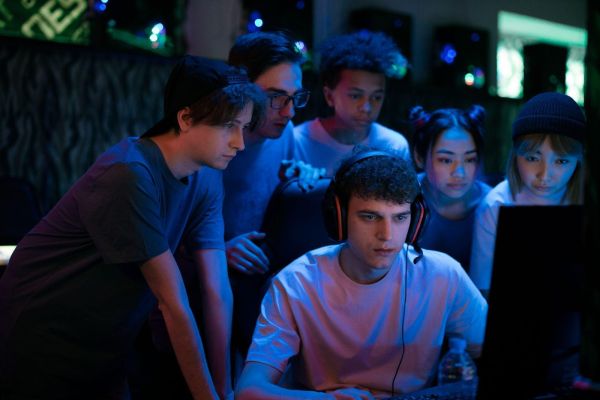
Integrating Video Games into the Curriculum
It's important to make sure that games are seamlessly integrated into the program for them to be useful for learning. This means making sure that the content of games fits with educational goals and works well with standard teaching methods.
Gamification and Motivation
Gamified learning environments give students a sense of success, growth, and rewards, which makes them want to learn even more.
Achieving in-game goals can be a strong motivator for students.
Gamified Learning Environments
Creating a gamified class involves creating a special environment. This environment should promote competition, cooperation and creativity. Teachers can use leaderboards, point systems, and quests to make learning more exciting.
Gaming for Skill Development
Video games can help students acquire essential skills. This can be critical thinking, problem-solving, teamwork, and adaptability. These skills are highly transferable to real-life situations.
The Role of Teachers and Parents
Educators and parents play a crucial role in ensuring the success of gaming in education. They need to guide and support students to make the best use of educational games. They will provide an opportunity to find a balance between screen time and other activities.
Measuring Educational Success in Gamification
It's essential to measure the effectiveness of gamification in education. Assessments and data analysis help educators understand the impact of games on education. In the future, this provides an opportunity to make the necessary changes in the behavior of young people.
Interactive Learning through Video Games
Educational games offer interactive and immersive learning experiences. Students become active participants in their education. It can lead to a deeper understanding of the subject matter.
Educational Game Development
Educators, game designers, and topic experts all need to work together to make educational games. These games need to fit with the goals of the program and make learning fun.
The Future of Gaming in Education
Gaming in education has a bright future ahead of it. As technology keeps getting better, educational games will get smarter and more flexible. They can fit the needs and learning styles of more people.
Gamification and Remote Learning
The use of games in the virtual classroom has become a powerful way to keep students interested and motivated while they learn from away. Remote learning quickly changed the way colegges worked, and teachers had to work hard to keep students excited and involved. Gamification is the process of making learning more like a game. It is a creative way to solve problems. One way to do this is to use point systems, leaderboards, badges, and awards for meeting educational goals. It makes learning more fun and engaging for them because these parts make them feel like they're competing, working as a team, and accomplishing things.
One great thing about using games to teach online is that they are fun and make the class feel like a real one. Students can connect with their friends even when they are online and might otherwise feel alone by doing tasks that are like games. Even though they aren't in real life, these talks help students learn how to work together as a group. Students can also do their best and stay interested if they want to get points or do better than their friends. When you use games for online learning, it not only makes learning more fun, but it also makes the environment more positive and interactive, like being in a real college.
Conclusion
Gaming in education is more than just a trend; it's a transformative force. There are many good things about using games in college, and as technology improves, so does its usefulness. Teachers, students, and parents should all be excited about this new direction in education. It will make the future better and more interesting for students of all ages.
Cris Bell is a passionate writer who loves making interesting content about a wide range of subjects. Cris writes from a unique point of view because she loves words and has a knack for telling stories. Cris likes to spend their free time reading and enjoying the great outdoors.


