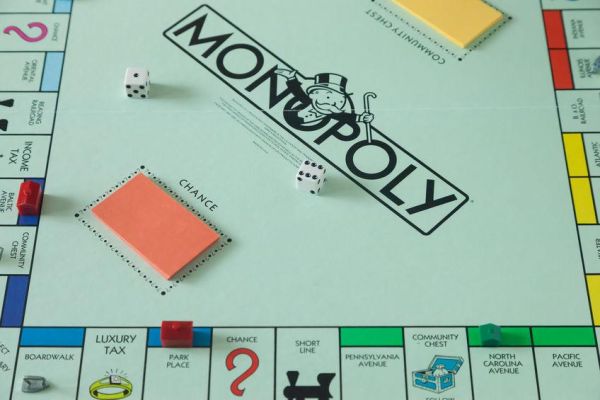
Monopoly, a classic board game that has entertained families and friends for decades, is more than a pastime. Beyond the thrill of buying properties and amassing wealth, Monopoly imparts valuable skills that extend beyond the game board. This guide will explore the benefits of playing Monopoly.
Why You Should Play Monopoly
Here are some key skills that playing Monopoly can teach:
Financial literacy
Monopoly provides a hands-on introduction to financial concepts, teaching players about income, expenses, investments, and the importance of budgeting.
Managing cash flow, making strategic decisions with limited resources, and understanding the consequences of financial choices are fundamental lessons embedded in the game.
Strategic thinking
Success in Monopoly requires strategic planning and decision-making. Players should examine the board, evaluate their rivals, and make decisions that maximize their odds of success. Whether deciding which properties to purchase, negotiating trades or deciding when to build houses or hotels, strategic thinking is at the core of the game.
Negotiation skills
Monopoly is a game of negotiation requiring players to engage in deals, trades, and agreements. Negotiating with opponents to acquire key properties, strike favorable trades, or navigate partnerships enhances interpersonal and communication skills. Learning to present compelling arguments and make mutually beneficial deals is a valuable real-world skill.
Risk management
Every decision in Monopoly involves an element of risk. From deciding whether to invest in a property to predicting opponents' moves, players learn to assess and manage risk throughout the game. This skill translates to the real world, where individuals must navigate uncertainties and make informed choices.
Patience and delayed gratification
Monopoly often requires a long-term perspective. Players may need to wait patiently for opponents to land on their properties or accumulate resources before making significant moves. Learning the value of delayed gratification and persistence is a lesson that can extend beyond the board game into various aspects of life.
Resource management
In Monopoly, players are tasked with efficiently managing their resources – be it cash, properties, or houses. Making strategic decisions about when to invest, upgrade, or liquidate assets requires a keen understanding of resource management. These skills are transferable to personal finance, business, and various life situations.
Critical thinking
Critical thinking is essential in Monopoly, where players must analyze the ever-changing game state and make informed decisions. Evaluating the potential consequences of each move, considering opponents' strategies, and adapting to the evolving dynamics of the game all contribute to honing critical thinking skills.
Emotional intelligence
As players experience the highs of achievement and the lows of misfortunes, they build emotional intelligence. Managing disappointments, commending accomplishments, and understanding the feelings of opponents add to a balanced emotional intelligence skill set.
Conclusion
Monopoly is beyond a board game; it is an instructive experience that influences a scope of skills useful in different aspects of life. From financial proficiency and strategic reasoning to negotiation abilities and emotional intelligence, the lessons learned from playing Monopoly stretch beyond the domain of play. It helps players build skills that resound in both individuals and professionals. Finally, you can also opt to play Monopoly Live online.


