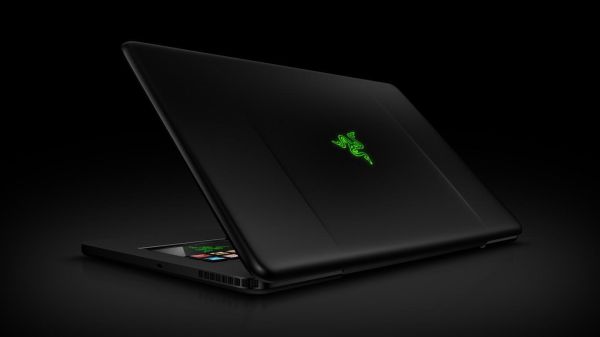
Are you thinking of treating yourself to a new gaming laptop? That’s always exciting, but to be honest, the array of gaming tech that’s available these days is also pretty overwhelming. Numbers, codes, brands, resolutions, and more… it’s daunting, and some find it almost nightmarish!
Okay, that might be a bit of an overstatement… it’s actually usually quite fun, but only if you know what you’re doing. How do you pick a good machine? Well, we’re going to dig into that. And, the good news is, with so much variety, you’ve got a decent chance of finding a laptop that matches your gaming style and budget.
Component Comprehension
In the gaming universe, one thing stands above all others: raw power. Not all laptops are created equal, so if you’re not paying attention to the specs, you could end up with a dud. Nobody wants that when they’re spending the kind of money most gaming laptops are associated with!
So, where do you start? With the most important components: the processor, graphics card, RAM, and storage. They’ll determine not just the games you’re able to play, but also the quality you get to enjoy.
The CPU: The Brains of Your Laptop
Let’s start with the CPU. The processor is the engine that powers a device. A good CPU ensures your entire gaming library runs smoothly without any hiccups.
Intel and AMD are the two major players here. For most gamers, a mid-tier chip like the Intel Core i7 or AMD Ryzen 7 will strike a solid balance between price and performance. Want to play the latest titles? You might have to spring for something in the higher range like the Ryzen 9 or Intel Core i9.
The Workhorse
If the CPU is the brains, the GPU (graphics card) is the brawn. As the name suggests, this is the component that handles all things graphics - visuals, textures, lighting, special effects.
Without a solid GPU, you’ll struggle to hit decent frame rates on modern games, especially at higher settings. Let’s face it, no matter what game you’re playing, nobody likes lag. That’s true of browser games, intense RPGs, multiplayers, and more. It’s especially critical if you’ve got other real players in the mix, since that alters the dynamic of the play. Imagine, for example, that you’re at a casino. A bit of lag might not matter so much on the slots (it’s annoying but not game-breaking), but if you’re up against the high rollers in video poker games, others get hit by the issue when your computer isn’t up to the job. That goes for other multiplayers too - nobody’s going to love you in Counter-Strike or any other co-op games if you’re playing on a machine that wants to fall over when the action hits.
Nvidia’s GeForce RTX series dominates the market for gaming laptops. RTX 3060, 3070, and 3090 - what does it all mean? Well, if you’re looking for smooth 1080p gaming at high settings, RTX 3060 should suffice. But if you’re aiming for 1440p or 4K gaming, or you love cranking up those ray-tracing effects, you’re likely looking for something in the RTX 40 family.
AMD’s Radeon GPUs shouldn’t be dismissed either - especially with their recent surge in quality and performance. An AMD Radeon RX 7600, for instance, can compete with Nvidia’s mid-tier cards without the same cost hit.
How Much RAM Do You Need?
Basically, the more RAM you have, the more it can handle. Not all AAA games need mountains of RAM; 16GB is often the sweet spot.
It’s worth bearing in mind, though, what else you’ll be doing in the background. Anything beyond streaming, running a Discord channel, or having a few browser tabs open (we mean a few, not like 50) while you play requires something in the higher levels.
While 8GB can still work for some older or less demanding titles, you’ll feel the pinch when playing more complex games - especially with open worlds or high-res textures. Meanwhile, if you’re thinking of diving into game development, consider opting for 32GB.
Hard Drive vs Solid State
When it comes to storage, many a gaming hardware expert is still debating whether SSDs outweigh HDDs and vice versa.
Traditionally, the hard drive was the go-to. In recent years, though, there's been an increase in models featuring Solid State Drives, which do offer blazing-fast load times. However, SSD… well, we’re talking big bucks here.
In general, a 512GB SSD is a good starting point. It offers enough space for the latest immersive RPGs and esports titles, but if you’re playing an extensive library, 1TB may serve a bit better. A secondary HDD is a worthwhile option too, but whatever you do, avoid relying solely on that for gaming: it will just slow you down.
The Balance Between Portability and Performance
Are you planning to lug your laptop around to LAN events, or setting up shop at home? Today’s gaming laptops stand up pretty well when compared to PCs, but if you’re opting for a laptop over a desktop rig, chances are, you want something that’s portable.
Seriously, if all you want to do with your laptop is keep it at your desk, you would be better off investing in a gaming PC. Sure, there are “desktop replacement” laptops, which offer great performance at the sacrifice of portability, but you’ll get more longevity from a desktop machine.
If you are on the go a lot, opt for a lightweight device that comes in at under 5 pounds. They might not feature the larger batteries or cooling systems, but ultraportables can still pack a punch.
All About Displays
Finally, displays!
For the average gamer, a 1080p resolution with a refresh rate of 120Hz or higher still offers the best mix of performance and visual fidelity. That higher refresh rate ensures smooth gameplay, making it easier to spot enemies or react quickly in fast-paced games like VALORANT or Counter-Strike 2.
If you’re looking for an even sharper image, opt for a 1440p screen, but be prepared for a price and performance hit (you need a higher-end GPU to power those extra pixels smoothly). And while 4K screens look gorgeous, they might be overkill unless you’re pairing them with a top-tier GPU.


