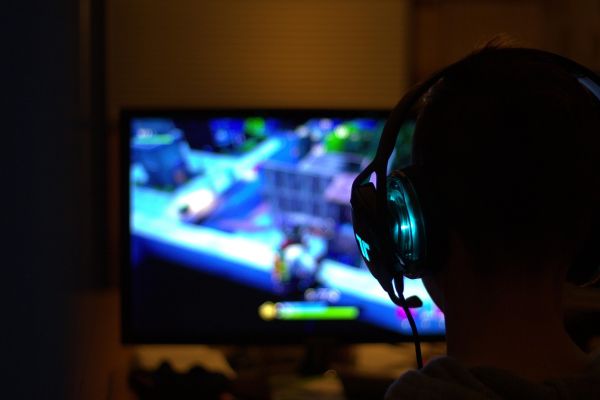
Not every game is meant to be a shared experience. And not every player is looking for company. That’s part of what makes gaming so versatile—you get to pick your pace and your people, or go without either.
Some days, it's about zoning in and disappearing into a world of your own. Other days, you want the noise—the chaos, the banter, the last-minute saves from your squad. Both can be brilliant. But the way they deliver satisfaction couldn’t be more different.
When Solo Just Hits Right
There’s nothing quite like logging off from a long day and logging into a game alone. No voice chat. No lobbies. No waiting for someone to get snacks or sort their loadout. It’s just you and the game, exactly how you want it.
Playing alone can be a kind of reset. You set the rhythm. You decide whether to keep pushing the story or spend twenty minutes rearranging your inventory. You don’t have to talk. You don’t have to explain. The immersion is yours and yours alone.
The connection feels more personal this way. There’s room to soak up the atmosphere, to take your time with a mission, or explore a strange corner of the map just because it caught your eye. Nobody’s pinging objectives or yelling over a cutscene. It’s quiet, focused, and sometimes weirdly emotional.
It’s not about avoiding people—it’s about having space to think. Games like that feel like good books: you fall into them, and the outside world fades.
Why Sometimes You Just Want to Play With a Team
Then again, not every game is built for solitude. Some are wired to be loud and shared. And when those games hit, they hit hard.
There’s a kind of thrill you only get when you play online with other people at casino sites that offer players awesome bonuses, quick payments, and many other features. It might be a whole crew of friends, or it might be strangers who somehow fall into sync with how you move and play. Either way, it changes the dynamic completely.
Team play brings unpredictability. You’re not just solving problems—you’re figuring things out on the fly, reacting together, messing up, recovering, and pulling off wins that feel way better because of the chaos it took to get there. That failed stealth plan? Somehow, it turns into a last-minute win.
Even outside the action, there’s something about co-op that makes it social in a way few other hobbies manage. You hop on to run a quick mission and end up staying for hours. You’re catching up, making jokes, clearing waves, and planning the next session before you’ve even logged off.
That’s why games with strong online features—and not just in terms of matchmaking, but real, meaningful interaction—keep people coming back. Whether it’s a fast-paced shooter, a co-op campaign, or even casino-style titles that let you compete or collaborate in real time, being able to have fun online adds a layer that solo play simply can’t replicate.
Not One or the Other
You don’t have to pick a side. Most people bounce between solo and co-op depending on their mood. Some games are better with company. Some aren’t. It’s not a competition—it’s a matter of what you need at that moment.
Solo play gives you control. You’re on your timeline, and nobody else can rush you. Co-op gives you a connection. It’s messier, funnier, and often more surprising. You need both. Most players do.
Some of the best games know how to walk the line. They let you drop in alone or open the door to teammates without forcing it. That kind of flexibility is rare, and when you find it, you tend to hang on to it.
You Get to Choose
Gaming isn’t one-size-fits-all. It adapts to your energy, your schedule, and your mood. One night, you might be deep into a solo run, ignoring notifications and the world. Next, you’re online with three friends, shouting through a headset and celebrating a narrow win like it’s a championship.
Both ways count. Both ways are real. And both remind you why you play in the first place.


