How to Protect Yourself from Identity Theft and Fraud in Digital Age
The digital age is a double-edged sword. On one side: instant messages, online banking, remote jobs, and streaming movies without leaving bed. On the other hand? Identity theft. Fraud. Scams so clever you’d think they were crafted by master illusionists. According to the FTC, there were more than 1.1 million reports of identity theft in the U.S. alone in 2023, and that’s just what got reported. The rest? Probably lost in silence, buried in shame.
And no, it's not just grandmas clicking fake sweepstakes links anymore. Phishing, fake apps, data leaks, phone spoofing, and yes—those anonymous DMs from "support" accounts—are now modern-day pickpockets.
But you can fight back.
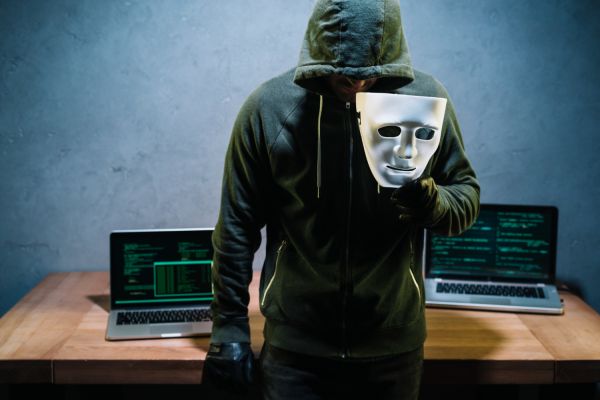
Know What Identity Theft Looks Like
Let’s start here. Identity theft is not only someone maxing out your credit card. It can be someone opening a new account in your name, filing taxes under your identity, or even using your medical benefits. Sometimes, the victim doesn’t find out for months. Sometimes, years.
Suspicious transactions. Unfamiliar emails from banks. Messages thanking you for subscriptions you never bought. These are red flags. You must recognize them as such. Because ignoring a crack in the dam is the fastest way to get drowned.
Passwords: Your Digital Gatekeepers
No, “123456” is not a password. Neither is “password.” Yet, millions still use weak or reused passwords, making themselves low-hanging fruit for hackers. A strong password isn’t just long—it’s unpredictable, unique, and not used elsewhere.
Consider a password manager. Let it remember complex combinations for you. Also: two-factor authentication. If you haven’t activated it yet on your accounts, you’re voluntarily walking on a tightrope without a safety net.
Be Cautious on Social Media
That cute post where you shared your dog’s name and your favorite city? Harmless, right? Wrong. Those are common answers to password recovery questions. Social media is a buffet for identity thieves—public birthdays, schools attended, maiden names.
Limit what you post. Think twice before sharing life events. Stranger watching? Probably. Silent, but watching.
Choose Anonymity
Anyone can protect themselves, but many choose to run social networks. At some point, you will notice that communication from your page becomes boring or even formal. Anonymous video chat is the solution to this problem. Instead of keeping a face with acquaintances, you can open CallMeChat and freely communicate with strangers. CallMeChat guarantees anonymity, talk about whatever you want and do not worry that this will somehow affect your reputation.
Spotting Scams in Emails and Messages
“URGENT: Your account has been locked. Click here.”
Pause. Don’t click. Ever. Most phishing attacks thrive on panic. They mimic real brands—logos, language, layout. The trick? A single letter off in the email address or a weird link under the surface.
If you're unsure, go directly to the website. Don’t trust links. Scammers rely on your instinct to act fast, so slow down instead.
Monitor Your Digital Footprint
You leave breadcrumbs. Every login, every search, every online purchase. Over time, these breadcrumbs can form a full picture of you.
So, monitor your accounts regularly. Check your bank and credit card statements weekly. Sign up for free credit report checks. If you find an account you never opened, act fast.
What to Do if You're a Victim
Let’s say the worst happens. Someone has your data. What now?
-
Place a fraud alert on your credit reports.
-
Freeze your credit—it’s free and stops new accounts from being opened.
-
Contact your bank immediately to block or reverse charges.
-
File a report with the Federal Trade Commission or local cybercrime unit.
-
Change all passwords. All. Of. Them.
Public Wi-Fi Isn’t a Free Pass
That café Wi-Fi? Looks convenient. But it’s a hacker’s playground. If you must connect, avoid entering sensitive information and steer clear of banking apps. A secure connection beats free any day.
Updates Matter. Always.
No, your device doesn’t just want to annoy you with update notifications. Patches fix known vulnerabilities—holes that hackers love. Whether it’s your phone, laptop, browser, or even smart fridge (yes, really), update regularly. Outdated systems are open doors.
Extra Tips: The Quiet Protectors
-
Enable alerts for all banking and email accounts. You want to know immediately if someone’s messing around.
-
Don’t store passwords in your Notes app. It’s not a vault—it’s a sticky note.
-
Log out from accounts, especially on shared devices.
-
If an app or website looks sketchy, trust your gut. It probably is.
-
If someone asks for personal info in any online chat, anonymous or not, that’s your cue to exit.
Final Word: Stay Skeptical, Stay Safe
The digital world is crowded, fast, addictive—and dangerous. But don’t retreat into fear. You can exist online safely if you move smartly.
Trust must be earned, even digitally. Especially digitally. Not everything that pings you, follows you, or slides into your DMs is real.
Be alert. Be private. Be untraceable when needed. And when using tools like anonymous group chats or video chat apps, treat them like busy intersections—use them, but with eyes wide open.
Your identity is your name, your number, your fingerprint. But online, it’s your clicks, your data, your digital self.
Guard it like treasure. Because that’s exactly what it is.