Most Popular Video Games Played by Japanese Youth
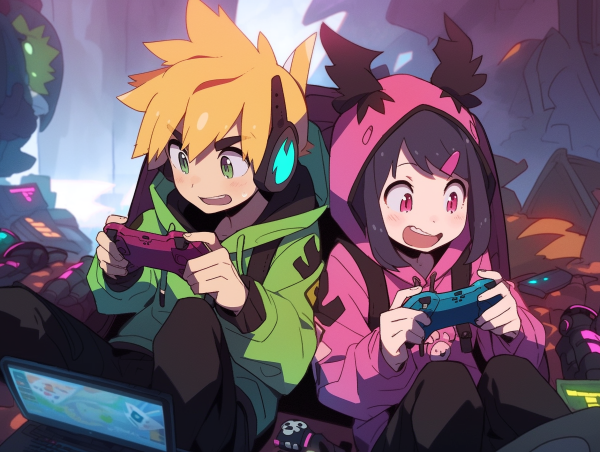
Image Source: Designed by Freepik
Japan has one of the most fascinating and influential gaming cultures in the world. From iconic franchises to handheld gaming, Japanese preferences often shape global trends, but they also differ in big ways from Western ones.
For example, while first-person shooters like Counter-Strike dominate in Europe and North America, they're barely a blip on the radar for Japanese youth.
This article explores why Counter-Strike isn't a big deal in Japan, and what games Japanese kids and teens are actually obsessed with today.
You’ll see how local culture, mobile gaming, and long-loved franchises shape what gets played (and what doesn’t).
Let’s dive into what makes Japan’s youth gaming scene so unique.
Japan's Gaming World Works Differently
Japanese kids love games, but their preferences stand out from the rest of the world. They go crazy for games that use the latest technology.
More importantly, they want games that let them connect with friends around the world. They also enjoy games that allow them to care for animals or other creatures.
Console gaming rules in Japan. The Nintendo Switch sells like crazy there. Most Japanese kids prefer handheld and console games over PC gaming. This creates a big problem for games like Counter-Strike, which work best on computers.
Japanese game companies also dominate their home market. Long-running Japanese game series leave almost zero room for foreign games in Japan's 2024 top game rankings. This means American and European games have a tough time breaking through.
Mobile games are huge, too. Japanese kids play on their phones constantly. They prefer quick, social games over long, competitive matches.
Why Counter-Strike Failed in Japan
Counter-Strike never really clicked in Japan.
In 2003, Valve attempted to break into the market with an arcade-style spinoff called Counter-Strike Neo, designed specifically for Japanese arcades. It ran until 2010 but didn’t leave a lasting impact. (Fandom – CS Neo)
Today, Counter-Strike has a tiny but loyal following in Japan. Most fans are retro gamers. The active player count in Japan typically ranges from the tens to the low hundreds.
Why didn’t it catch on?
-
Cultural gaming tastes: Japanese players tend to lean toward co-op games rather than competitive FPS.
-
Platform mismatch: CS is PC-based, but Japanese youth prefer consoles and phones.
-
Language/server issues: Western games can feel clunky or slow due to localization or lag.
-
Esports culture: Japan's esports scene is smaller and more focused on games like Street Fighter and Splatoon.
Compare that to Korea or China, where PC cafes and FPS esports are massive. Players there often go to www.CSGORoll.com for CS-related activities.
In Japan, Counter-Strike is more of a footnote.
What Japanese Kids Actually Play
So what do Japanese kids and teens spend their time on?
The answer shows clear patterns.
Top Japanese Game Series
|
Game Series |
Why It's Popular |
|
Final Fantasy |
56 votes in recent rankings, epic stories |
|
Dragon Quest |
III HD-2D Remake topped 2024 charts |
|
Pokemon |
Collecting creatures, social trading |
|
Mario Kart 8 Deluxe |
Fun with friends and family |
|
The Legend of Zelda |
Adventure and exploration |
Dragon Quest III HD-2D Remake became the best-selling video game in Japan for several weeks in 2024. This shows that traditional Japanese RPGs still rule.
Mobile Gaming Dominance
Japanese youth spend tons of time on mobile games:
-
Social games that connect friends
-
Gacha games with collectible characters
-
Puzzle games for quick entertainment
-
Monster raising and collecting games
These mobile games often make more money than console games in Japan.
New Trends Emerging
Some newer games are gaining ground among Japanese developers and youth:
-
Metaphor: ReFantazio ranked 3rd overall among industry professionals in 2024
-
Indie games are slowly gaining recognition
-
Cross-platform games that work on multiple devices
But these trends still favor Japanese-made or Japanese-style games.
Why Japanese Gaming Culture Is Different
Cultural values deeply influence Japanese gaming.
-
Cooperation over competition: Teamwork-focused games tend to be favored over aggressive 1v1 titles.
-
Storytelling focus: Many Japanese youth prefer narrative-heavy games with rich characters.
-
Gaming as bonding: Games serve as shared family or friend time—not necessarily a ladder to climb.
Interestingly, family opinion matters too. According to Allcorrect, 66.9% of parents and 45.8% of youth think families should help manage game time.
Other cultural factors:
-
Manga and anime crossover: Games that mirror popular manga/anime aesthetics tend to do better.
-
Casual vs. hardcore divide: In Japan, “hardcore” doesn’t always mean PvP; it often refers to deep storylines or complex gameplay systems.
This mix of family, story, and style influences how Japanese youth choose what to play, and why a game like Counter-Strike, built on pure skill-based shooting, just doesn’t resonate.
The Bottom Line
Counter-Strike remains niche among Japanese youth because it doesn't match their gaming culture. Japanese kids want cooperation over competition, stories over pure skill, and cute characters over realistic soldiers.
This doesn't mean Japanese gaming is better or worse than Western gaming. It's just different. Japanese companies understand their target audience and create games that cater to their culture.
Will Western competitive games ever break through in Japan?
Maybe. But they'll need to adapt to Japanese preferences first. They'll need better stories, more cooperation, and characters that Japanese kids can love.
Understanding these cultural differences matters for anyone studying global gaming trends. What works everywhere else might not work in Japan.
And that's perfectly fine. Gaming diversity makes the industry more interesting for everyone.