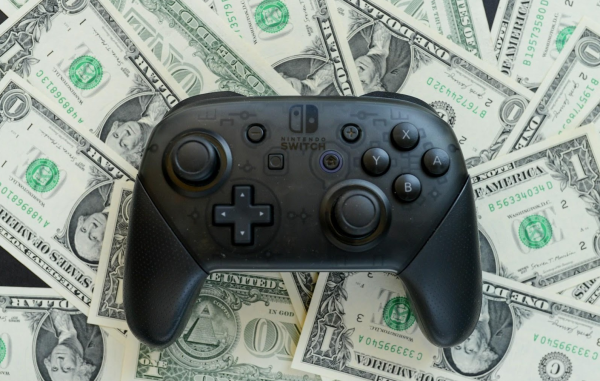
Photo by rc.xyz NFT gallery on Unsplash
A scramble is underway inside video games, where virtual currencies, creator payouts, and item markets now serve as the main engines of growth. The shift is evident in investor calls and patch notes alike, and it is reshaping how studios design, staff, and ship their games.
In-game economies are no longer an accessory to live service updates. Platforms pay creators directly, user-generated worlds behave like small businesses, and social casino mechanics migrate into mainstream titles. Supporters describe a flywheel of engagement and revenue, while those following the regulated gambling sector — from Ontario safe casino sites to international gaming platforms — highlight the importance of transparent systems and responsible play. Critics are concerned about rising risks to fairness and player protection.
The stakes continue to rise as money, identity, and play intersect. The result is an industry where design meetings resemble economics labs and community updates convey the tone of financial disclosures.
Platforms set the pace
Epic Games moved first at scale. In 2023, it introduced what it called Creator Economy 2.0, a system that allocates 40 per cent of Fortnite’s net revenue to creators based on engagement with their islands, according to The Verge. Epic described the program as a long?term rebalancing of incentives. By late 2024, industry analysts estimated creator payouts in Fortnite had reached roughly half a billion dollars since launch, a figure circulated in specialist newsletters and podcasts.
The Roblox platform, which reported 2024 revenue guidance above $4 billion and bookings above $5 billion, expanded its own revenue-sharing and monetisation options through 2024 and 2025, including higher earnings on desktop purchases and affiliate programs, according to company updates and press reports. Executives cited a strategy to draw older users and premium content creators, while acknowledging ongoing safety scrutiny and regional restrictions.
Valve’s Steam remains the largest PC storefront. While its community market volumes are less transparent, third?party tallies and company disclosures continue to show persistent demand for cosmetic items that carry visible status but avoid pay?to?win edges.
Designing the money loop
Modern economies hinge on predictable rhythms. Designers build faucets and sinks, then tune them around events, quests, and limited?time drops. Cosmetics carry the cultural load because they signal identity without distorting balance. Systems that emphasise time investment over raw spending tend to maintain goodwill longer, studio leads say.
The language of operations has grown more formal. Inflation, sink strength, velocity. Teams now staff economists and trust analysts the way they once hired only gameplay engineers. The successful loops feel generous without being loose. The failed ones fray quickly, and players leave traces of that breakdown on public dashboards and Discords.
Studios that publish probability tables and refund rules in plain language keep communities calmer during monetisation shifts. The inverse is also true, as social feeds demonstrate whenever drop rates feel opaque or seasonal passes creep in price.
What the casino industry has already learned
The social casino sector, led by publishers such as Playtika, generated multi?billion?dollar annual revenue in 2024, according to investor filings and market research. The model relies on showmanship, cadence, and loyalty ladders rather than real-money cashouts, and its retention playbook now appears across genres that have nothing to do with slots or card games.
Real?money operators study the same behavioural arcs. Seasonal events, VIP tiers, and daily missions recur in sports games and city builders, sometimes with more restraint, sometimes not. Regulators remain alert to blurred lines. In the United Kingdom, for example, the government stopped short of classifying loot boxes as gambling. Still, it pressed the industry to adopt guidance on transparency and youth protection, leaving the door open to further action.
The casino industry’s playbook
Social casino’s emphasis on showmanship and predictable tempo continues to influence live games beyond its category. The sound of a jackpot, the cadence of a daily chest, and the return of limited events on a calendar that mirrors real holidays - these patterns deliver familiarity that keeps users returning.
Sportsbooks and online casinos employ similar retention strategies at higher stakes, ranging from tiered loyalty programs to event-based missions. In mainstream gaming, the scaffolds remain cosmetic and time-based, yet the structure looks related. Designers study the pacing without incorporating cash-out mechanics, a distinction that regulators and platform holders closely monitor.
Policy and grey areas
Where money and play intersect, grey markets form. Skin trading sites rise and fall as platforms adjust terms. Some creators treat payout policies like changing tax codes, budgeting around them and lobbying for stability. Those rules now serve as macroeconomic levers for small businesses operating within the gaming industry.
The policy mood remains watchful rather than settled. Industry groups publish guidance, consumer advocates push for clearer odds and spending controls, and platform owners refine their offerings. None of it moves as fast as a battle pass. All of it shapes the next quarter’s design documents.
The developer calculus
For studios, the economics are difficult to ignore. In?game markets can fund longer tails, finance mid?cycle experiments, and create a path for small teams to live off a single hit.
The risk profile is real. Reputations can turn inside a week if a pass feels predatory or a drop table appears opaque. Sustainable loops are built on trust, not hype alone. The studios that hold that trust usually show their work and absorb short-term revenue dips to avoid long-term churn.
The human touch inside economies
Economies work when communities believe they are treated fairly. That belief rests on visible odds, practical refunds, and systems that respect time spent by free players. When the balance tips toward pressure, sentiment cools. When players feel that identity items and seasonal goals align with their ordinary routines, engagement remains stable without the need for heavy discounts.
Creators now operate as small firms inside larger platforms. They hire moderators, buy analytics, and schedule drops like retailers. The work appears less like a side hustle and more like a compact studio, complete with a ledger and a roadmap.
Conclusion
The new rush does not look like prospectors on a hillside. It seems like spreadsheets, creator dashboards, and quiet updates to monetisation pages. The winners will likely be those who treat economies as part of the game rather than the point of it, and who keep the loop understandable enough for players to trust.
As platforms expand payouts and studios refine their loops, the frontier continues to move. The measure that seems to matter most is simple and stubborn, whether in a battle royale, a life sim, or a social casino skin. Do players come back tomorrow, and does the economy still make sense when they do?


