The gaming industry has specialized mainly in competitive multiplayer experiences over the past decade. Since the emergence of Battle Royale shooters and the prevalence of aggressive tactical arenas, the primary focus has shifted. It's for players to outplay and eliminate human opponents. Nevertheless, there are significant cultural changes reorganizing the way individuals choose to utilize their online time as a leisure activity.
The need for sharing and a common purpose is replacing the intense stress of delivering in ranked games. Players also want to play in worlds where success relies on cooperation rather than control, marking the reemergence of social play principles. That's where all the people work together to achieve a single objective.
Fighting a Common Enemy Offers a Psychological Reprieve
Freepik
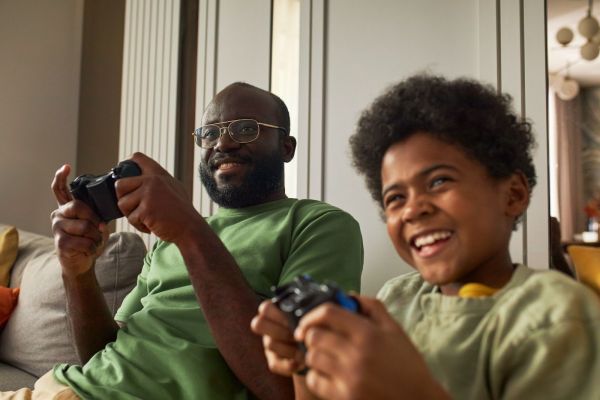
This change primarily stems from the psychological relief gained in player-versus-environment circumstances. A defeat in a competitive environment can be a personal defeat or a testament to one's inability to succeed. This is also a common experience referred to as ladder anxiety.
On the other hand, playing against a non-human opponent, such as an alien horde or a computer-controlled dealer, can be beneficial. It turns an ego battle into a puzzle to be resolved. This desire for a fair match against the house isn't about competitors. It's why players often consult reviews of the best online 3 card poker to identify the best platforms. They can then challenge the dealer directly in a secure environment here.
Players don't need to bluff against any other opponent here. They can concentrate on the game and enjoy winning against a machine. This experience is similar to cooperative play in modern video games.
Recent Sales Data Confirms the Cooperative Boom
Market analysts have noted that this favor of cooperation isn’t just on the periphery. Still, considerable financial numbers support it. Recent industry reports, which include data on platform sales, indicate that cooperative titles are outperforming their competitors. They're leading by far in terms of units sold per release.
Co-op games don’t constitute a larger portion of the total number of games released than single-player or competitive games. Still, they contribute a large portion of revenue. Significant releases in 2024 demonstrated that games developed based on pure squad can take the leading position. It's evidence that the market's thirst for cooperation has never been greater.
Cooperative Play Eliminates the Stress of Online Toxicity
Another significant reason players drift out of competitive lobbies is burnout due to the toxic online culture. Teammates in Player vs. Player settings turn on one another when matches fail. It's a shift that causes bullying and griefing.
Cooperative games inherently restrain this type of behavior through positive interdependence, where survival cannot occur without cooperation. Social dynamics are turned on their head when game design compels them to depend on one another. They need to obtain ammunition, get healed, or revived. This makes the environment conducive to handling errors with support, rather than ridicule.
Modern Artificial Intelligence Creates Dynamic Battlefields

Freepik
The revival of cooperative gaming is also attributable to the enhanced development of the technology that drives the game itself. Previously, it might seem monotonous or even predictable to fight computer-controlled opponents, but that’s changed. Directors of artificial intelligence (AI) now control the flow and challenge in real-time.
These systems can analyze player performance and react in real-time by adjusting the enemy spawning rate. Or they modify algorithms to maintain an engaging level of difficulty. This is a technological advancement, so an armed group of friends can enter a procedural world. It seems equally erratic and devious as an opponent, but without the associated ill will.
Shared Victories Forge Stronger Social Bonds
The emotional reward of collective success is more potent than even overcoming an opponent. That's a fleeting delight that lasts only briefly, psychologically. Fighting an opponent in real life leaves only one winner and one loser; the experience isn't shared. Killing a challenging raid boss or completing a difficult level leaves a shared experience.
These moments of "high-fives" strengthen friendships and foster gaming communities in the long run. Players are discovering that the relationships created through a shared fight against a challenging game are long-lasting. They're unlike those made in the hostile environment of competitive ladders.
Inclusive Mechanics Allows Veterans to Guide Rookies
Freepik
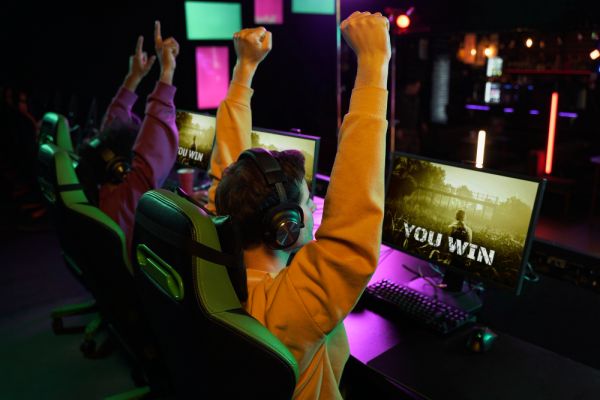
Accessibility solves competitive genres, which is inherently the plague of cooperative game design. In a competitive shooter, skill disparity among friends is likely to ruin the experience for them. The less skilled player is forced to spectate or lose throughout the match.
However, in cooperative titles, the skill gap is an asset and not a liability. An experienced player will assume the role of protection and guide the team. They'll navigate complex parts while educating new players on mechanics. This openness enables many more gamers across various demographic groups to enjoy a more diverse playing experience together. Hardcore gamers often play with parents, while casual gamers typically play with hardcore gamers.
From Solo Queues to Squad Goals
The gaming sector is acknowledging that, although competition will always exist, the future of long-term interaction will be through collaboration. The massive success of recent PvE games demonstrates that players are willing to trade the pressure of the leaderboard. It’s all for the gratification of the squad.
By bringing a digital broker to a card game or deciding against alien invasion, the modern gamer invests in connection. They aren't spending resources on things that pit them against each other. Ultimately, the collective victory achieved is the most gratifying.


