Cooperative Chaos: How Dota 2 Turned Complexity Into a Global Phenomenon
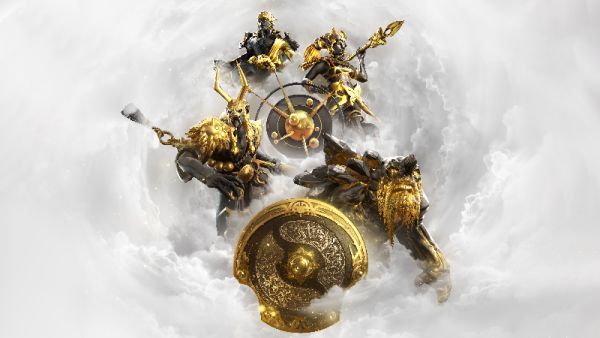
Dota 2 doesn’t ease players in. It throws them into a battlefield of over 120 heroes, endless combinations of spells and items, and a game map where every inch can mean life or death. Players sink or swim based on what they figure out, what they watch, and how fast they can adapt.
And yet, that design choice didn’t scare people off; on the contrary, it pulled in millions. Instead of chasing instant accessibility, Dota 2 leaned into depth, nuance, and hard-earned mastery and built one of the most committed communities in gaming.
But how did this happen? Why don’t people forget about the game after the first confusing hours?
In short, Dota 2 is just exciting, but let’s talk more about it.
How to play the game that doesn’t explain itself
There’s a steep curve in Dota, and it starts early. So, basically, from the moment you download the game, you have to learn fast.
Starting in the deep end
Every new Dota 2 player has the same first step: pick a hero. The game offers over a hundred, each with its own abilities, strengths, and quirks. Some blink across the map, some summon armies, and others just punch things hard. But none come with a beginner tag, and there’s no clear path, no pre-built loadout, and no obvious answer to “what should I do?”
Once in the game, players land on a three-lane map that never changes, yet always feels different. They’ll learn, usually the hard way, where to stand, when to retreat, and how not to push alone. They’ll hear words like “safe lane,” “stacking,” “pulling,” “roaming,” and have to piece together how it all fits. The map hides dozens of small rules, like vision tricks, terrain edges, neutral camps, that separate decent players from those who get farmed.
Nothing is spoon-fed, item builds aren’t locked in, and roles are fluid. What worked in one match could be a disaster in the next. Dota also tests your ability to read a situation and adapt fast. Every small mistake teaches a lesson, and every win opens new questions.
And that’s part of the draw. The deeper you go, the more there is to uncover. For players who like a challenge, the unknown is addictive.
Learning to play with (not around) people
One of the first major lessons players face is that Dota can’t be won alone. It doesn’t matter how good your reactions are, as success depends on working with four other people, often strangers, each trying to read the game in their own way.
Teammates must sync their actions without overthinking them. One badly timed ultimate can waste an entire team fight. One silence at the right moment can win it. Even basic moves like rotating to another lane, saving a support, backing off early, only work if players communicate or learn to read each other’s intent.
New players slowly realize how interconnected every role is. The support who buys wards and tanks the gank earlier makes it possible for the carry to farm. The offlaner who holds the line makes room for map pressure. Every hero has a job, and most of those jobs only make sense in context.
So, mastering team play, often with total strangers, is another challenge that might’ve scared off players. But in reality, this community spirit only drives Dota 2 fans more into the game.
Mastering the chaos
Once the basics settle in, players are dropped into the deeper layer: controlled chaos. Dota thrives on unpredictability. Games swing wildly as small mistakes can spiral into disasters. Moments of brilliance come from players who spot tiny windows and can change everything.
And that’s what gives the game its drama. The chaos isn’t random; it’s full of structure that’s only visible once you’ve been through it enough times. Experienced players don’t panic when things go off-script. They lean into it, reading the map, baiting mistakes, delaying just enough for a turnaround. It’s sort of like poker plays feel or how Dota 2 betting works — there are rules and tricks that give you control, but unpredictability makes it exciting.
So, why did Dota 2 become a crowd favorite?
Dota 2 asks a lot from players. It’s dense, it’s fast, and it doesn’t explain much. But instead of chasing mass appeal, the game found strength in depth and built a player base that didn’t want easy. They wanted something they could sink into.
Valve didn’t simplify the design and supported the complexity. Players got access to replays, pro match data, community-made guides, and patch notes written more like strategy manuals than marketing updates. Instead of flattening the learning curve, the developers handed players tools to climb it.
It also arrived at the right moment. Streaming platforms like Twitch and YouTube were just starting to take off, and suddenly, new players weren’t learning the game alone. Forums and Discords filled in the gaps that the tutorials never covered. What used to be overwhelming started to feel achievable if you were willing to put in the time.
That time investment became part of the culture. The more players learned, the more connected they felt. And for a lot of people, that depth made it stick.
The International helped turn that culture into something global. With prize pools crowdfunded by the community and teams from every region bringing their own styles, it became a yearly event. Fans followed stories, broke down drafts, and rooted for scenes that felt like their own.
What used to feel like a wall of complexity turned into a shared language. Players didn’t just tolerate the steep curve, but they embraced it. Because once you’re inside, the game opens up into something few titles can match: a system where mastery is endless, community is tight-knit, and the chaos always has meaning.
More Blog Posts


Tips for playing blackjack online
We all know about blackjack. It’s one of the world’s great classic card games.

When You Should and Shouldn't Team Up in Poker
Teamwork may make the dream work, but not always. Sometimes teaming up in poker is a fun idea, but other times it can turn into a disaster. If you’re thinking about teaming up with someone in a round of poker, you should know what you’re getting into. You need to be familiar with both the pros and cons of this poker strategy, and