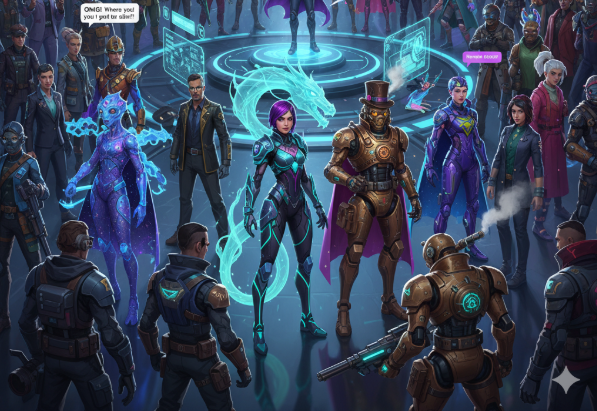
Image Created by Google AI Studio
Developers of free-to-play (F2P) cooperative video games must discover a method by which they may generate revenue from their games without alienating their users. This may be accomplished in several ways, one of which is by providing players with a combination of cosmetic items, such as skins and emotes, and practical objects that have the potential to improve the game. It is possible to generate money with this method, and it also ensures that players remain satisfied and engaged.
The Introductory Value Proposition and Monetization Anchors
F2P developers carefully construct the initial player experience to establish the economy's value proposition. Upon joining, new players are typically given starter rewards, such as a basic cosmetic item or a low-level functional utility, without any cost or time investment.
This instant, no-strings-attached incentive is a way to show players how the game's reward system works. It works on the same idea as many popular casual or mobile games, where new players get beginner's goods to help them explore the game securely. Players need to choose a website or platform they can really trust, just like in these games. This means that the rewards should be paid out fairly and openly. Incentives like no deposit bonuses, which are offered by reliable gaming websites, are an excellent example of these strategies.
They let customers sample out material without any risk while building trust in the system. In games, giving players something worthwhile right away builds expectations, gives them a point of reference for future incentives, and keeps them interested with limited-time promos, rotating item stores, and managed scarcity.
How Free-to-play Games Give Out Rewards
One kind of money comes from free-to-play games, and another kind comes from real money. Cosmetics require in-game money earned by playing. Functional gear, however, can be purchased or gained through time-limited events, providing players with an advantage.
This method allows developers to make games interesting for paid and non-paying players, encouraging spending. Finding the right cosmetic-utilitarian balance is key. Cosmetics may not sell, and pay-to-win features may deter players.
Players' Opinions on Cosmetic vs. Functional
Free-to-play games are chosen for several reasons. A great number of individuals think that cosmetics are an excellent way to alter the game without the game becoming less helpful. They have the ability to demonstrate how skilled players are and give them the impression that they are a part of the game.
Functional gear, on the other hand, can change the gameplay. Because players believe that they require certain things in order to win or perform well, they may purchase more of them. However, the manufacturers must exercise caution. If players think that functional products are necessary for success, it could make non-paying players angry and hurt the game's reputation.
Behavioral Incentives and Engagement Loops
Players need reasons to keep playing free games. Developers may create amusing and useful engagement loops to keep people engaged. For example, doing some tasks could unlock decorative items, while reaching specific goals might open expensive weapons.
These systems use both players' internal and external motivations. External motives include rewards and recognition, whereas intrinsic incentives include enjoyment of the game and satisfaction from overcoming problems. Balance these objectives to maintain a strong player base and interest.
Creating Fair and Fun Reward Systems
Game makers must ensure fairness and fun when creating incentive systems. You must know how to acquire awards and how useful objects affect your play. Players should feel their time and effort are valued and shouldn't have to pay to play effectively.
Fair and moral reward systems help make a nice community where people feel valued and want to keep playing. Putting user satisfaction and fair progression first can help developers create trust and keep gamers interested over time.
It can be difficult for free-to-play cooperative games to strike a balance between decorative and functional products. Through a knowledge of players and the creation of incentive systems that are both entertaining and fair, developers are able to make games that can be enjoyed by everybody, regardless of their financial situation. Players are satisfied with this strategy, and it ultimately improves the game over time.

