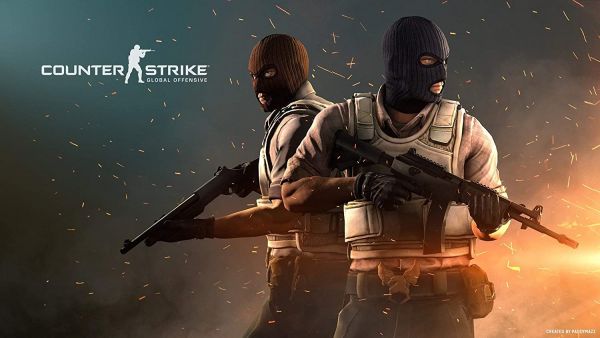
Welcome to the world of CS2 and CS2 skins! At first, it might seem simple and just plain fun. And yes, it is fun, but it’s a bit more complex than you might initially think. With so many skins on the market, even the most experienced CS2 players and skin traders can find it challenging to navigate all the options. One of the most important aspects to understand is item prices. With such a wide range of prices across different skins, players often wonder what drives these differences. Fortunately, that’s exactly what we’re going to explore in this guide. Ready? Let’s dive in!
What Factors Determine Skin and Inventory Value
As we mentioned earlier, skin prices don’t move randomly. Just like any other asset in a market, they react to supply, demand, trends, and player behavior. Some factors have a small effect, while others can completely change a skin’s value overnight. That said, the following factors usually have the biggest impact on price.
Rarity and Color Grades
The most obvious factor that determines the value of a skin is its rarity tier or color grade. In the world of CS2, items are categorized into different levels such as Consumer Grade, Mil-Spec, Restricted, and the highly coveted Covert items. As you move up these tiers, the chance of finding them in a weapon case drops significantly, which naturally drives the price higher.
Wear and Float Values
A critical element is the wear level, showing how scratched or faded a skin appears. This is measured by a float value from zero to one. Factory New items have low floats and look perfect, costing more than worn Battle-Scarred versions. Some players even pay extra for high-wear metallic looks.
Supply and Market Demand
The final factor is the simple law of supply and demand combined with current market trends. When a weapon case is removed from the active drop pool, the supply of those specific skins becomes limited, which usually leads to a price increase over time. Additionally, the popularity of certain weapons in the current game meta can shift values overnight. If a specific rifle becomes the strongest choice for professional players, everyone will want a nice skin for it, causing prices to jump.
How to Maximize Your CS2 Inventory Value
Here’s the natural question that comes next: are there any methods professional CS2 skin traders use to increase their CS2 (CS:GO) inventory value? The short answer is yes, and there are quite a few. In this section, we will walk you through the three most popular strategies they rely on.
Strategic Item Investing
The most effective way to grow your inventory value over time is through strategic long-term investing in items with a fixed supply. In 2026, many savvy traders focus on discontinued cases and old operation skins that no longer drop after matches. As players open these limited cases or use skins in trade-up contracts, the total number of items in the world decreases, which naturally pushes the price upward.
Diversify Your Portfolio
To keep your inventory safe from sudden market shifts, always aim for a diverse mix of items instead of one single skin. A healthy 2026 portfolio includes high-volume play skins, rare stickers, and various weapon cases. This balance ensures your total value stays stable even if one specific item price drops.
Active Market Participation
Taking full advantage of weekly rewards and special events is a zero-risk way to boost your total inventory worth every single month. By playing enough to earn your weekly care package, you can consistently add new cases and skins to your collection for free. In 2026, many traders also participate in new passes to earn exclusive credits that can be traded for limited-time rewards.
Everything You Need to Know About Selling Your CS2 Skins
If it’s your first time selling CS2 skins, it’s natural to feel overwhelmed and unsure where to start. In this part of our guide, we’ll help you get started with everything you need to know about selling skins. Here’s what to keep in mind:
Choose the Best Items to Sell
When deciding which items to move from your inventory, focus on skins that have high demand or those that have recently spiked in value. In 2026, popular play skins for the AK-47, M4A1-S, and AWP are always the easiest to sell because there is a constant stream of buyers looking for them. You might also consider selling items from older collections or discontinued cases if you notice their supply is drying up on the market.
Set a Competitive Cash Price
Finding the right price requires looking past the standard community market and checking real cash transaction data. Since local market prices are often inflated by high platform fees, you should set your price based on what items are actually selling for on independent sales sites. If you are in no rush, you can list your skin at a slightly higher price point, but if you need funds fast, matching the lowest current listing is the best path.
Pick a Safe Selling Platform
Selecting the right platform is the final step, and you should prioritize sites that offer a balance of low fees and high security. In 2026, many traders prefer peer-to-peer marketplaces because they allow you to keep the skin in your inventory until someone actually buys it. When you are ready to ship the item, always pay attention to the trade details and verify the identity of the recipient to avoid common scams.
Conclusion
In conclusion, in this article, we covered CS2 skins, inventories, and their values. Knowing how challenging and sometimes overwhelming this world can be, we tried to make everything as practical and simple as possible. That’s all from our side for now, and we hope to see you back very soon. Good luck!


