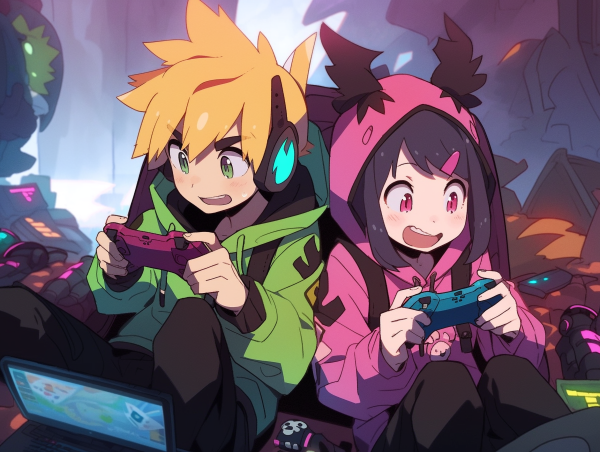
Tired of the "lone wolf" grind where your only audience for a rare drop is a cold, indifferent UI? I get it. There’s a specific kind of emptiness in clocking 40 hours for a legendary sword just to have it sit in a digital inventory where nobody sees it. After years of testing everything from high-stakes tactical shooters to chill couch co-ops, I’ve realized that the real dopamine hit isn't the loot—it's the shared experience of earning it.
If you're looking for that same level of strategic depth and community-driven excitement, my Pokertube review highlights how modern digital platforms are finally capturing that "high-stakes team" energy we usually only find in elite raids.
Here is why your brain craves cooperative rewards over solo trophies.
The Psychology of "The Shared Loot"
There is a fundamental difference between finding a treasure chest alone and cracking one open with three friends on a Discord call. According to studies on social facilitation by major research bodies, humans perform better and feel higher levels of satisfaction when tasks are completed in a social group.
In the world of co-op gaming, this manifests as "Topical Authority" within your friend group. When you’re the healer who finally unlocks the legendary staff that keeps the whole party alive, the reward isn't just +10 Int—it's the social status of being the "clutch" player.
Pattern Interrupt: The "Raider’s High"
We’ve all been there: It’s 2 AM, your party has wiped on the boss six times, and the mood is sour. Then, the rhythm changes. You stop playing "the game" and start playing "the team." When that boss finally drops, the reward feels earned in a way a solo quest never could.
Comparing Solo vs. Co-Op Reward Systems
|
Feature
|
Solo Play Rewards
|
Co-Op Team Rewards
|
|
Satisfaction
|
Personal achievement
|
Shared glory/bragging rights
|
|
Pace
|
Fast, but often repetitive
|
Slower, but highly varied
|
|
Flexibility
|
Play whenever
|
Requires "The Saturday Test" coordination
|
|
Social Value
|
Zero
|
High (The "Expert Insider" status)
|
Export to Sheets
The "Testing Experience" Framework: The 4-Player Stress Test
I wanted to see if modern "looter-shooters" still held up to the classic couch co-op standards of the Time Splitters or Lego Star Wars era. I gathered three skeptics, loaded up a fresh campaign, and set a goal: reach the first "Epic" tier reward without anyone quitting in frustration.
The Result: We hit the goal in exactly 4 hours and 12 minutes. But the numbers don't tell the story. The story was the frantic shouting when our tank went down, the "I've got your back" moments, and the final 10 seconds of the boss fight where our last standing player used a level-1 pistol to finish the job.
The Verdict: "A solo game gives you a trophy. A co-op game gives you a story you'll still be telling your friends three years from now."
Looking Toward the Future of Digital Rewards
As we transition into more decentralized gaming environments, the way we view "value" is changing. Much like the evolving trends in blockchain technology, rewards are becoming more than just pixels—they are becoming verifiable assets. However, the core remains the same: the most valuable asset is the community you build while playing.
Whether you’re grinding through a campaign on Steam or checking out the latest digital strategy guides, remember: the best gear is the stuff you win together.
Gambling involves risk. Please play responsibly and only wager what you can afford to lose. If you feel gambling is becoming a problem, visit BeGambleAware.org or call 1-800-GAMBLER.
Final Thoughts on Cooperative Rewards
The "nanny state" of modern gaming often tries to hand-hold players through solo experiences, but the true expert reality check is that we are social creatures. We want the grind to mean something to someone else.
Next time you're looking for a new challenge, don't just look at the loot tables—look at who is sitting on the virtual couch with you.


