Financial turmoil in tier-1 esports is rarely limited to dry figures in an organization's accounting reports, as it directly impacts roster stability. The recent decision by Team Spirit's management to skip the upcoming IEM Atlanta tournament led to the automatic loss of massive partnership bonuses from ESL. Such incidents make you wonder how vulnerable even the strongest rosters become in the face of strict contractual obligations. I have carefully analyzed this situation and believe that the long-term consequences of this step could fundamentally change the club's internal structure. It seems to me that the lost profits will severely complicate the task of retaining key star players during the upcoming transfer windows.
Lost Millions and Management Priorities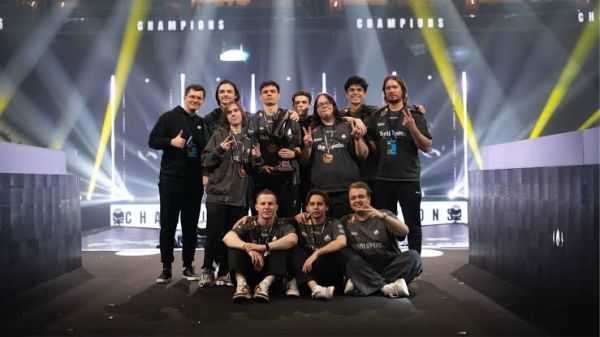
When top clubs put together their operating budgets, partnership payouts from tournament organizers are factored in as a guaranteed foundation for paying high salaries and covering logistics. For any modern esports organization, voluntarily declining guaranteed spots at major tournaments is a direct step towards reducing the brand's media value in the eyes of key sponsors. Such actions instantly deprive the club of a stable financial cushion, which is usually planned for the entire competitive season.
Clubs often balance between the physical burnout of esports players and commercial obligations, but in this case, Spirit deliberately went against financial logic. Reading relevant gaming news today, it is hard to ignore the fact that sacrificing a stable income to optimize the players' schedule looks like a highly risky long-term investment. The management bet on the idea that a proper bootcamp and quality rest would benefit the team more in the long run than an exhausting flight to the US for a single tournament; however, amidst a severe liquidity crisis in the industry, such decisions can heavily impact the operational activities of the entire structure.
This precedent clearly shows that the current Counter-Strike 2 tournament schedule has become so overloaded that organizations are forced to sacrifice guaranteed profits for an illusory chance to maintain their playing form for more important championships. Due to Valve's cancellation of open qualifiers and the shift to a strict ranking-based invitation system, every skipped LAN event reduces a team's chances of receiving invites in the future. It seems to me that this situation will force many teams to renegotiate their player contracts to avoid such painful financial decisions for the club's wallet in the future.
A Blow to the ACI Program and Exact Loss Figures
The scale of the problem becomes clear if we look closely at the revenue distribution structure of the Louvre Agreement among ESL's key partners. Due to skipping the American LAN, the team completely lost its share of profits from the sale of media rights, sponsor integrations, and arena ticket sales. Such payouts form a stable financial foundation for tier-1 organizations, allowing them to cover operational expenses regardless of immediate performance on the server.
According to official reports on the HLTV.org portal, Team Spirit lost an estimated $420,000 from the ACI (Average Competitive Interest) fund for 2026. These funds were intended for developing club infrastructure, expanding the analytical staff, and forming a bonus pool for the players at the end of the season. Due to a single missed championship in Atlanta, the organization's accounting department faced the necessity of cutting extra expenditure items that directly affected the comfort of esports players during bootcamps.
For any CIS club, losing nearly half a million dollars in net profit is a serious budget deficit that cannot be quickly covered by regional sponsorship deals or prize money from mid-tier online tournaments. In today's reality, where the cost of maintaining a top Counter-Strike 2 roster amounts to tens of thousands of dollars per month, such cash flow gaps force management to tighten their belts. I believe this financial precedent will echo in management's ears for a long time when planning budgets for future competitive cycles.
Risks to Roster Stability and Star Players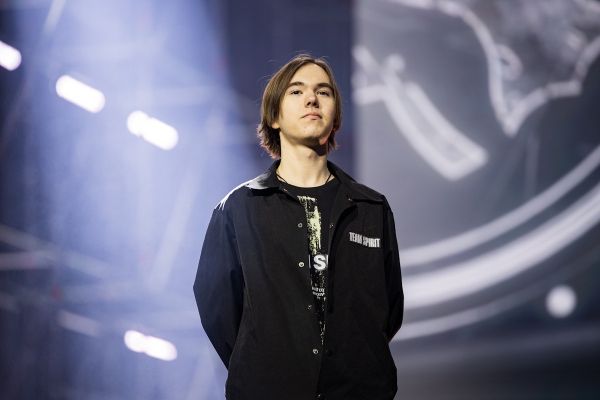
Such a tangible financial blow poses a direct threat to retaining the current roster. When partnership revenues slump, management struggles to offer improved terms during contract renewals. I think young talents with massive market values, like donk or magixx, will start looking at competitors if a budget deficit forces Spirit to cut customary bonuses or media payouts.
This deficit also deprives the organization of operational maneuverability on the aggressive Counter-Strike 2 transfer market. Without reserve funds, they won't be able to execute targeted buyouts for top players or coaches during a crisis. Furthermore, management will lack the financial arguments to prevent their leaders from moving to clubs like Team Vitality or NAVI, which consistently capitalize on their success and never skip major LANs.
Over the course of 2026, this precedent could trigger a chain reaction within the squad, especially if tournament results take a temporary downturn. Tier-1 players know their market value and won't tolerate the club losing huge checks due to management's administrative decisions. When the ambitions of peak-form athletes hit an emptying budget, even the most loyal players start considering a change of scenery.
Examples from the History of Other Esports Disciplines
We have seen similar harsh sanctions in the industry, and they rarely end well for team stability. For example, the Korean League of Legends club Griffin faced severe fines from Riot Games. Due to a management scandal and lost sponsorships in the fall of 2019, the organization couldn't retain its star core. This led to mass contract terminations on November 25, 2019, when key players like Lehends and Chovy (who had been with the club since March 2018) left.
We observed similar crisis markers in Dota 2 before Evil Geniuses left the North American region. In November 2022, they disbanded their historical roster featuring Arteezy. Once management realized they were losing stable financial backing from DPC leagues and media, the star roster collapsed. Facing a deficit, the club opted for a cheaper South American roster instead of paying huge salaries to their old squad.
Studying these precedents through the Liquipedia archives, I clearly see one pattern: ambitious players will not sacrifice their income for brand loyalty. A top esports athlete's peak career usually lasts 5-7 years, so an employer's financial reliability comes first. When an organization loses guaranteed tournament payouts, player agents instantly start searching for more stable options.
Conclusion
Summing up, I can say that Team Spirit's decision to skip the tournament in Atlanta has created a dangerous financial precedent for the organization. The loss of $420,000 in partnership bonuses will definitely backfire on the club at the end of 2026, when it comes time to renegotiate player contracts. In my opinion, the management overestimated the importance of rest and underestimated the long-term economic risks. It will be incredibly disappointing if one of the most promising rosters in modern Counter-Strike begins to fall apart due to a banal lack of budget funds to maintain ambitious stars.


