The way players pay for games, in-game content, and platform subscriptions has shifted over the past decade. What was once a clunky process (bank transfers, prepaid cards bought at a shop, waiting days for refunds to process) has evolved into something far more seamless. Today, payment technology is not just a background utility. It actively shapes how players engage with platforms, how much they trust them, and how willingly they open their wallets.
Whether someone is buying a new release on Steam, topping up a PlayStation wallet, or subscribing to Xbox Game Pass, the expectations are the same: fast, secure, and frictionless. Players who hit friction at the payment stage frequently abandon the transaction entirely. This has pushed platform operators to treat their payment infrastructure as seriously as their content libraries.
Payment Technology: The Backbone of Platform Trust
Trust is the foundation of any financial transaction, and in gaming, it is particularly easy to lose. Players are handing over real money, sometimes in small increments for a cosmetic item, sometimes in significant sums for a premium title or a high-stakes session, and they need reassurance that the process is safe at every step.
Modern payment technology addresses this by embedding verification, encryption, and fraud detection directly into the transaction flow rather than presenting them as obstacles.
Two-factor authentication, tokenization, and real-time risk monitoring are now standard in reputable payment systems. A transaction that previously required multiple manual confirmation steps can be completed in seconds precisely because the security work happens behind the scenes, invisible to the user but active throughout.
Platforms that invest in reliable, transparent payment systems benefit from stronger retention as a direct result. A player who knows the refund process is quick, that a failed payment is resolved without hassle, and that their stored card details are never exposed is far more likely to return, and to spend without hesitation.
The Most Useful Payment Methods for Gaming
Certain payment methods have proven especially well-suited to gaming environments, largely because they balance speed and security while keeping the deposit or purchase process out of the player's way.
Across different gaming niches, from casual mobile titles to subscription PC platforms to high-stakes online play, the methods that win adoption are consistently those that feel intuitive and do not interrupt the experience.
PayPal is one of the most widely recognized and versatile solutions in this space. Its core appeal is the intermediary layer it provides: players fund their PayPal account separately and use it to pay across gaming platforms without exposing their bank details to each individual merchant.
Deposits and purchases are instant, the dispute resolution system adds a meaningful layer of protection, and the interface is already familiar to the vast majority of users who rely on it for everyday online transactions.
Besides PayPal, another method worth highlighting is Klarna, which has gained significant traction in the Dutch online casino industry. Namely, Klarna casino sites have proven especially useful for players who want to keep their gaming activities casual and financially structured, since Klarna's payment model allows users to draw a clear line between gaming spend and everyday finances.
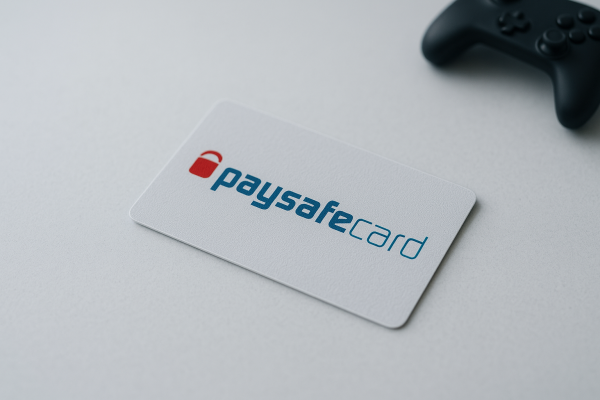
For players who primarily game through PC storefronts and prefer a method that requires no bank account, credit card, or digital wallet, Paysafecard remains one of the most practical options available. It works on a prepaid voucher model; users purchase a card in a fixed denomination from a local retailer or online, then redeem the code at checkout..
How Mobile Payments Are Rewriting the Rules of Checkout
A growing proportion of players now expect to complete purchases entirely within a mobile app, without switching to a browser, logging into a separate portal, or retrieving a physical card. Mobile payment solutions have matured considerably to meet this expectation.
Apple Pay and Google Pay have become increasingly common across gaming platforms, allowing players to authenticate transactions with a fingerprint or facial scan rather than manually entering card details.
This removes friction at the most critical moment (the point of purchase) and measurably reduces the rate of abandoned sessions or carts. For platform operators, this translates directly into stronger conversion and more consistent spending patterns.
The design of mobile payment interfaces has also improved in ways that go beyond aesthetics. Early implementations felt like compressed versions of desktop banking systems. Today's payment solutions are built with mobile interaction as the primary use case: the tap-to-pay flow is deliberate, minimal, and fast.
Crypto and Blockchain Payments: Moving Beyond Novelty
Bitcoin, Ethereum, and stablecoins such as USDT are now accepted across various operators, and the reasons players choose them are fairly consistent: transaction speed, privacy, and access in markets where conventional payment methods are restricted or unavailable.
Blockchain-based transactions settle directly between parties without a bank functioning as an intermediary. This removes many of the delays associated with traditional withdrawals and bypasses geographic limitations that can make conventional methods inaccessible for players in certain regions.
For operators, accepting cryptocurrency also opens a segment of users who are deliberately moving away from bank-dependent systems, whether for ideological or practical reasons.
Volatility remains a genuine challenge. The value of a Bitcoin withdrawal can shift significantly between when a player initiates it and when it arrives. Stablecoins address this to some extent by pegging their value to a fiat currency, typically the US dollar.
Some platforms have taken this further by offering instant conversion at the point of withdrawal, locking in the fiat equivalent before the transaction is processed. This kind of deliberate integration reflects how seriously forward-thinking operators are treating crypto, not as a marketing feature, but as a functional alternative payment channel with its own distinct user base.
What to Look for Before Trusting a Platform with Your Money
Not every payment method suits every player, and the right choice depends on a combination of personal priorities: speed, privacy, spending control, or sheer simplicity.
Players who transact frequently or in larger amounts will naturally prioritize withdrawal speed and high transaction limits. Those who play casually and want a built-in check on their spending may find far more value in prepaid or budget-structured options.
Platform transparency is just as important as the methods offered. Any reputable gaming platform should clearly display which payment options are supported, the processing times for deposits and withdrawals, and whether any transaction fees apply. Hidden fees and vague withdrawal timelines are consistent warning signs that payment quality is not a priority for that operator.
The payment experience is ultimately not separate from the gaming experience; it is part of it. A smooth checkout on Steam, an instant top-up before a tournament, or a same-day casino withdrawal that lands without delay all contribute to the overall feeling of being on a platform that works.
Operators who understand this invest accordingly, and players who make a habit of checking payment infrastructure before signing up tend to avoid the frustrations that come with slower, less reliable systems.


