Tracking performance is a key aspect of modern video games, especially in competitive play, where a single mistake can decide the outcome of a match. To achieve top results, players use statistics tools to assess their own progress and performance. Even small improvements in timing, positioning or decision-making can give you the edge. In this article, we’ll tell you about smart ways to track performance in your favourite video games, how to identify and correct mistakes, and how to hone your skills.
Using the Game's Built-in Statistics
Most video games today have data tracking systems, and players can quickly analyze their performance as well. You can view the number of wins, kill-to-death ratio, average damage, or team performance as numbers. At these numbers, the most fundamental levels of skill are made apparent.
So you don’t want to be confined to the numbers; look beyond it. If the performance, for example, has plummeted, this might be a sign of fatigue or a shift in playstyle. If you conduct data analysis on a regular basis, you can get better results — as you can adapt in time.
Combining raw statistics with personal reflection creates a more complete picture of progress. This approach helps players make smarter adjustments and steadily improve their overall gameplay. However, it is important not to overlook the importance of improving your technical skills, as these form the foundation of any competitive game. By practising these skills, you will reach the required standard of play, which you can continue to refine using statistical tools.
Online Services and Analytics Trackers
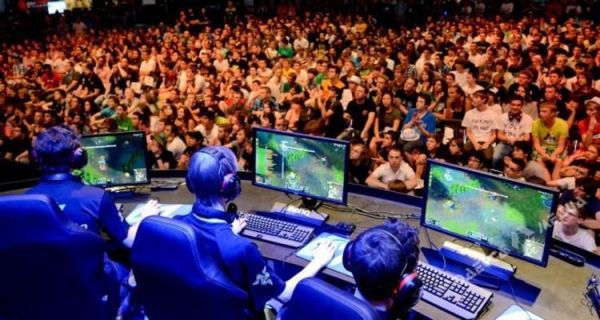
Third-party platforms provide a far more comprehensive set of analytical tools. They enable analysis of match histories, find out the strategies that worked the best and analyze your performance in distinct roles. One way you are doing that is when you look with a macro level analysis of dota 2 match results and you can see how your impact on the game changes depending on your hero choice or position. These insights help players adjust their decision-making and improve consistency over time.
Most of the time, the service will also have comparisons against other players, which is an incentive to players who would seek to get better. They also facilitate pinpointing weaknesses that might be overlooked while playing the game. The analysis is clearer and much more accessible because of the visualization, represented through graphs and charts.
One way to improve is to review your own matches. You can watch the key moments of a match and analyse them in a relaxed setting. Analysing critical moments is particularly useful: lost team fights, poor decisions or poor positioning – by correcting these elements, you’ll increase your chances of winning. Ultimately, this method allows you to learn to assess situations much more quickly and act accordingly.
In addition to the basic tools, there are software applications designed to enhance your analysis. These applications can track key technical metrics, such as FPS stability, latency and response time, which are crucial for those seeking maximum precision and control. Some applications even provide real-time notifications, allowing you to react quickly to poor decisions right in the middle of a match. For example, a player can be alerted to a drop in system performance or ineffective actions, helping to prevent mistakes before they have a critical impact.
The Role of Team Analytics
Individual performance is important, but it is also about how they interact with other team players in team games. Evaluating team synergy contributes to examining how effectively a strategy is working. The issue at times is not with the individual skill but with a lack of coordination.
Team analytics helps determine what actions have the most benefit. This might be just the right timing for attacks or the right distribution of roles. And this greatly raises the odds of winning.
Without concrete goals, the most fine-grained statistics are meaningless anyway. One of the things to do to improve is to know, systematically, what parts of the game should receive some work. That might mean improving accuracy, quicker reaction speed, or learning strategic thinking.
Taking notes as a method to write your progress. That makes it feel like you’re going forward and keeping motivation alive. Being on the lookout for evidence does make sure you don't get complacent in the aftermath.
The Psychological Aspect of Productivity
A player’s mental state is an equally crucial part while they need to keep the technical skills. When they are stressed, fatigued, or under severe tension they perform much worse. Monitoring their mental state can prevent sudden falls in performance.
It helps to stay aware of how your game changes based on your mood or time of day in order to optimize where one can have the best situations for your best results. You can also understand the equilibrium between play and rest that is going to be hit.
It's also in high-intensity games again when emotion regulation is crucial. Calmness after making mistakes or losing contributes to concentration and helps to avoid a series of bad decisions. Good (or resilient) gamers are also less prone to stress, even in the worst situation and perform less erratically — and they’ll always benefit from those long-term achievements.
Building in short pre-game routines or breaks between matches can also serve to stabilize execution. Those habits are great for helping to stay clear over time and lessen mental fatigue’s effects.
Conclusion
In this article, you’ve learnt all about effective performance tracking in video games. This process combines analytics, self-monitoring and continuous improvement, whilst specialised tools help you understand your gameplay and identify areas for improvement. It is not enough simply to collect data — it must be analysed correctly. A structured approach and attention to detail lead to consistently high-level results. Ultimately, analysis is what distinguishes the average player from the professional.


