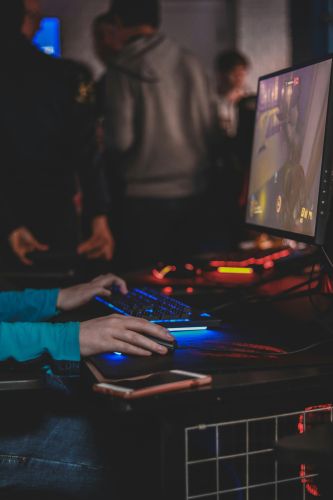
The strongest multiplayer games understand that people return for more than victory screens. Shared goals, familiar teammates and fresh challenges build lasting communities; those same ideas increasingly influence sweepstakes platforms, where steady progression and regular participation have become just as important as the games themselves.
Multiplayer games have become remarkably good at giving you a reason to log in tomorrow. One more daily objective appears, a new community challenge begins, or your regular group decides to tackle another session together. Plenty of players return because those small moments create momentum, and that same design philosophy has started appearing well beyond traditional co-op games.
Shared Progress Creates Stronger Communities
A good co-op game always gives your group something to work toward. That could be a fresh objective, a weekly challenge or another reward waiting just around the corner. You are not simply chasing an ending because there is always another milestone ahead, and that steady sense of progress keeps communities active long after launch day.
The same idea has become common across modern sweepstakes platforms. Players who are looking to play sweepstakes casinos increasingly pay attention to Safety Index ratings, operator comparisons, daily missions, tournaments, loyalty programmes, VIP rewards, redemption guidance, payment information and game libraries because those features shape the experience between individual play sessions. Returning becomes part of the entertainment when new objectives appear regularly, and progress carries from one visit to the next.
That approach works because every visit offers something different. One day, there may be a tournament climbing towards its final stages; another brings fresh missions or loyalty rewards that encourage another session. Instead of treating every visit as a separate event, the strongest platforms build an ongoing sense of progression. Players become part of a wider community that shares the same objectives, creating the familiar rhythm that has kept cooperative games popular for years.
Live-Service Design Rewards Regular Play
Game developers now compete for your attention as much as your money. Newzoo forecasts the global games market will generate $188.8 billion during 2025 while reaching 3.6 billion players, leaving studios to find better reasons for existing players to keep coming back instead of relying solely on attracting new audiences.
Daily objectives, seasonal events and achievement systems have become familiar because they encourage regular participation without forcing marathon sessions. Drop in for half an hour, complete a challenge, chat with friends and leave knowing there will be something different tomorrow. That rhythm suits multiplayer communities particularly well because shared progress gives everyone another reason to return.
Cooperative Worlds Reward Consistent Participation
Valheim demonstrates that long-term engagement does not depend on constant action. Much of the enjoyment comes from building settlements, exploring dangerous regions and gradually improving a shared world with friends. Player-hosted worlds work particularly well with groups of three to five players, encouraging cooperation instead of competition.
That design philosophy appears elsewhere because people enjoy working toward common goals. A fresh building project, another expedition or one more upgrade provides enough motivation to organise another evening together. Progress becomes something the group owns collectively rather than individually, giving every session a clear purpose.
Replayability Extends Beyond Traditional Multiplayer
SWORN takes a different approach yet reaches a similar destination. Its cooperative roguelike structure encourages repeated runs because each session develops differently, while teamwork remains central to success. Players return because every run offers another opportunity to improve rather than simply repeat what happened previously.
Social casino entertainment has followed a comparable path. Grand View Research valued the global social casino market at US$8.51 billion during 2024 and projects it will reach US$14.31 billion by 2030, representing a compound annual growth rate of 8.9% between 2025 and 2030. Much of that growth reflects the same design thinking found across multiplayer gaming, where regular objectives and ongoing progression encourage players to remain part of an active community.
Mobile gaming has played a major role in that expansion because it suits the same pick-up-and-play habits that keep cooperative games busy between larger sessions. Grand View Research also identifies smartphone adoption and wider internet access as important factors behind continued growth, reflecting an audience that values convenience alongside regular opportunities to return. That combination has encouraged developers to build experiences around recurring participation rather than one-off visits.
Good Communities Always Have Another Goal
Players hardly ever stick with a game because of graphics alone. They return because another challenge has appeared, friends are waiting online, or a new reward sits within reach. Cooperative games have demonstrated that lesson for years, and sweepstakes platforms have increasingly adopted the same approach. Different genres may deliver different experiences, yet both recognise that giving people a reason to come back tomorrow is often the strongest reward of all.
That idea extends well beyond gaming itself. Communities grow when people have a reason to participate regularly, celebrate progress and share experiences with others. Whether the objective is completing another co-op adventure or returning for fresh daily challenges, successful platforms recognise that lasting engagement begins with giving players something worthwhile to look forward to.


